
Sustainability
Sustainable Freight Transportation for Your Supply Chain
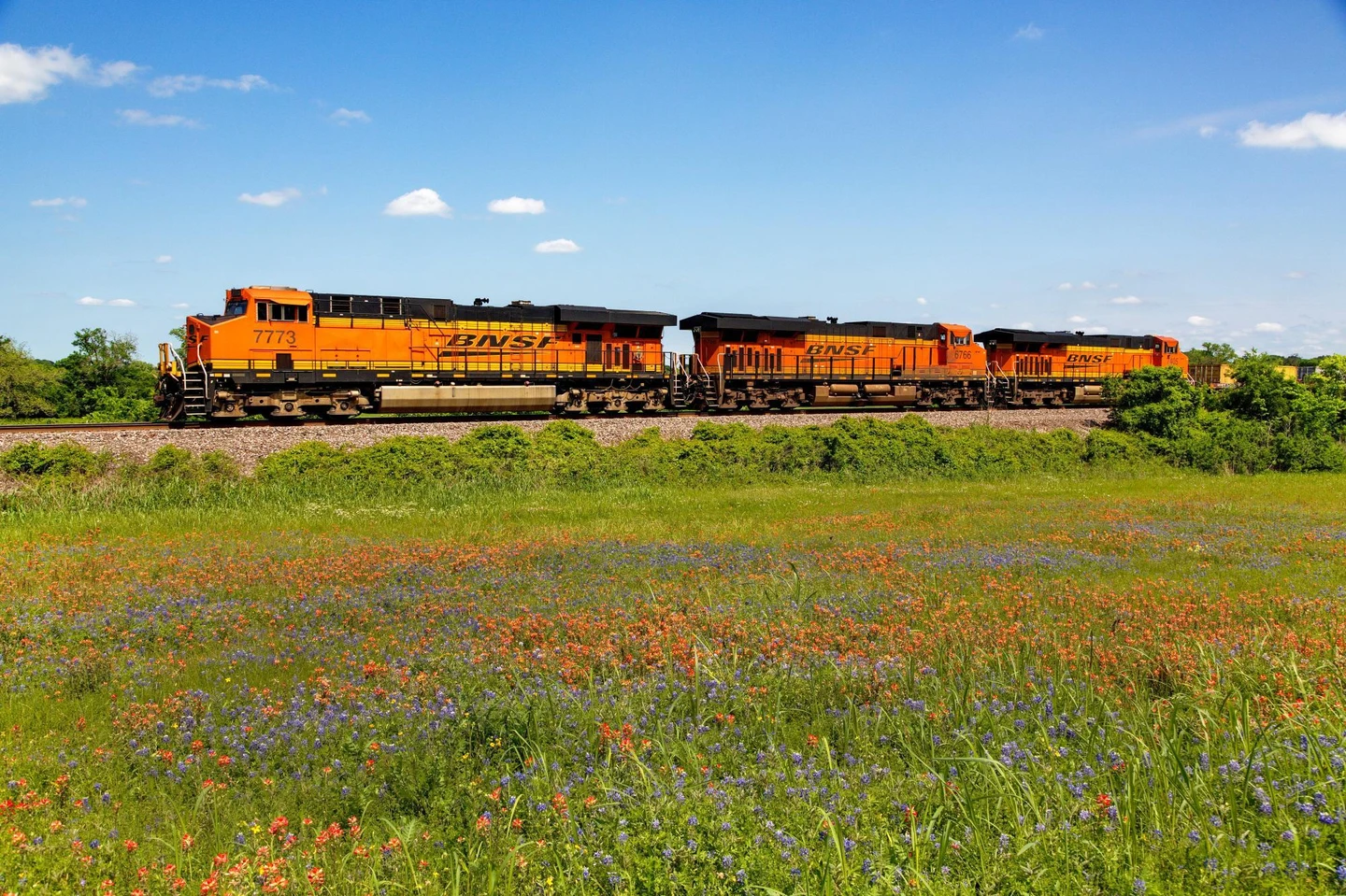
Rail is the most environmentally efficient mode of surface transportation. Customers use rail to help reduce emissions and improve supply chain efficiency.
Rail is the most environmentally efficient mode of surface transportation. Customers use rail to help reduce emissions and improve supply chain efficiency.
Orange is the new green
Sustainability that supports your supply chain
See how rail helps customers lower emissions, improve fuel efficiency and build more sustainable supply chains.
Reduced CO2e
Rail moves more freight with less fuel. In 2025, BNSF customers avoided 24.3 million metric tons of CO2e, equal to removing more than 5.7 million vehicles from the road.
Start shipping
More miles per gallon
On average, BNSF trains move one ton of freight nearly 500 miles on just one gallon of diesel fuel.
Start shipping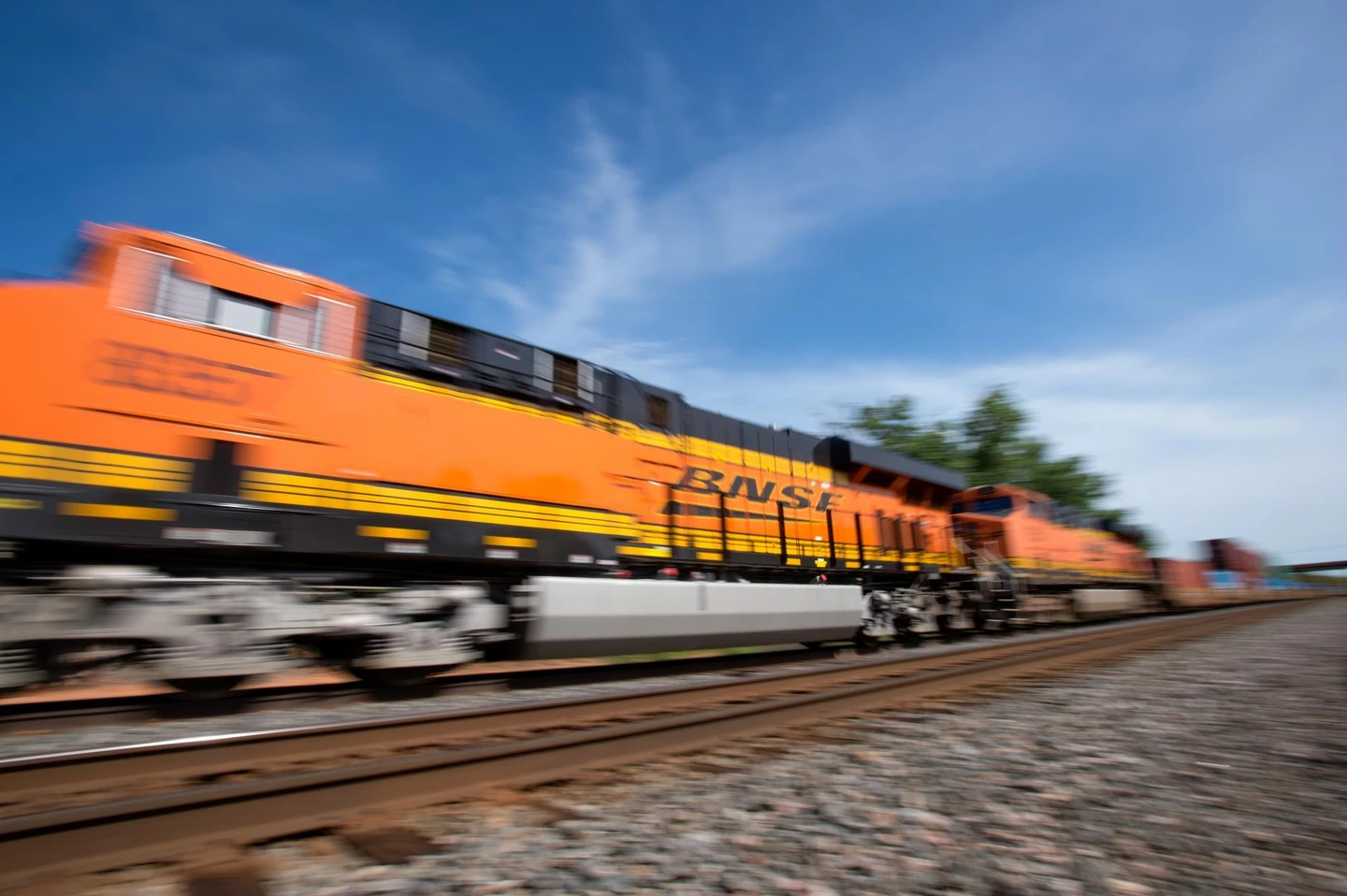
Fuel efficiency
On average, trains are three to four times more fuel efficient than their highway counterparts and lower greenhouse gas emissions by up to 75%.
Start shipping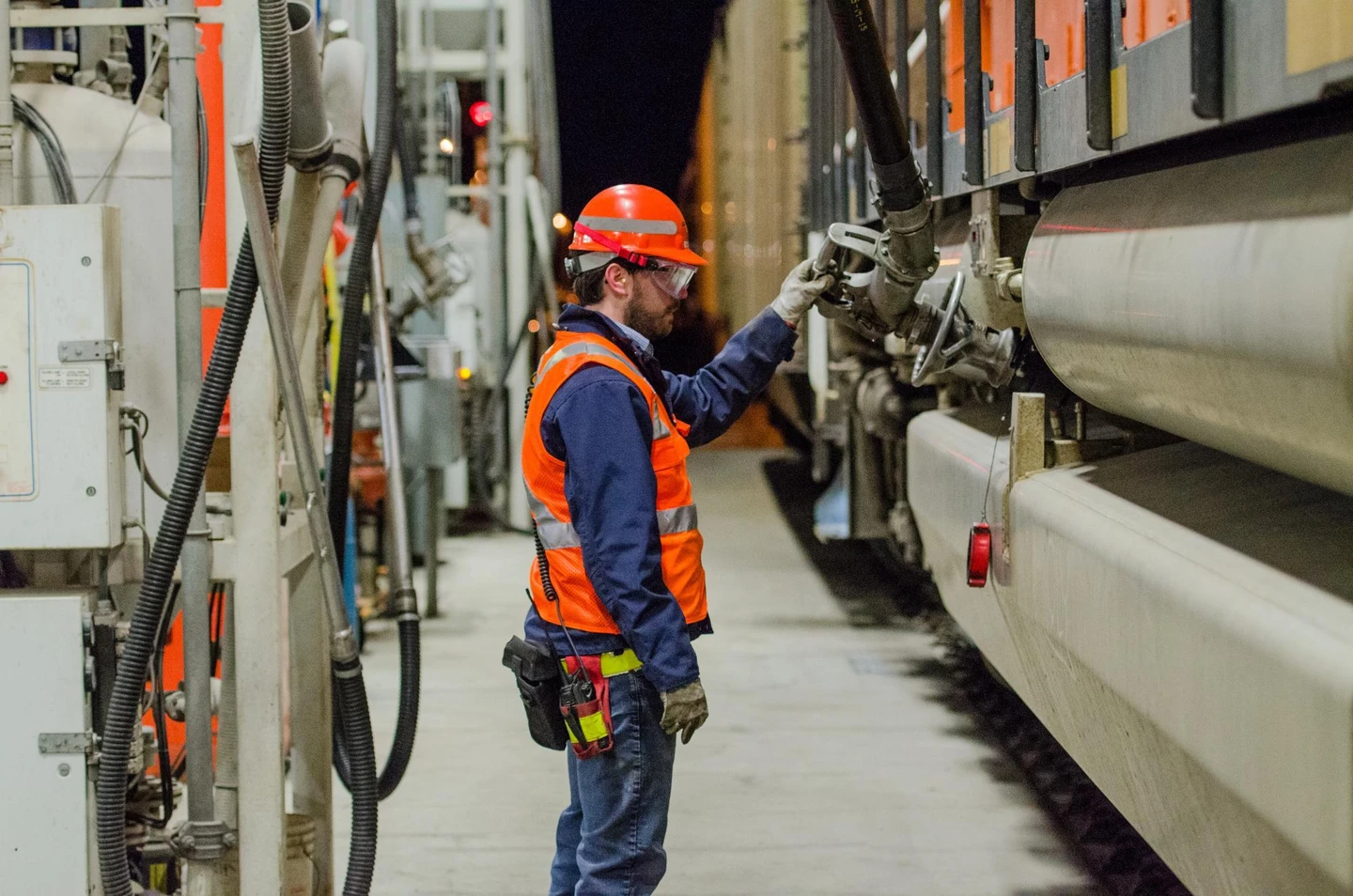
Strategy
Investing in sustainability
Advancing sustainable transportation Developing cleaner technologies requires time, investment and continuous improvement. BNSF evaluates, tests and refines new solutions to help build a more efficient and sustainable transportation network.
Partnering to reduce emissions
BNSF partners with industry leaders to develop the next generation of locomotives and test technologies that help reduce carbon emissions. BNSF is committed to reducing emissions 30% by 2030.
Building a more sustainable network
We help customers reduce emissions by providing a lower-carbon alternative to long-haul trucking. We also invest in infrastructure, equipment and operational improvements that support a more sustainable transportation network.
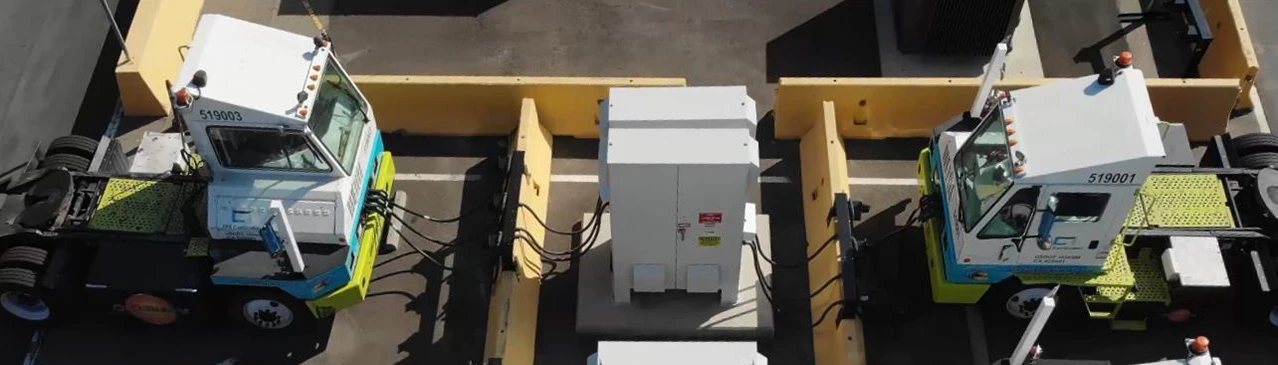
BNSF is testing next-generation battery-electric and hydrogen-powered locomotives to help reduce emissions and advance sustainable freight transportation.
2025 Sustainability Awards
BNSF recognizes customers that demonstrate a strong commitment to sustainable transportation while achieving business growth and environmental goals. By incorporating rail into their supply chains, these organizations are building more fuel-efficient logistics networks and advancing their carbon-reduction objectives.
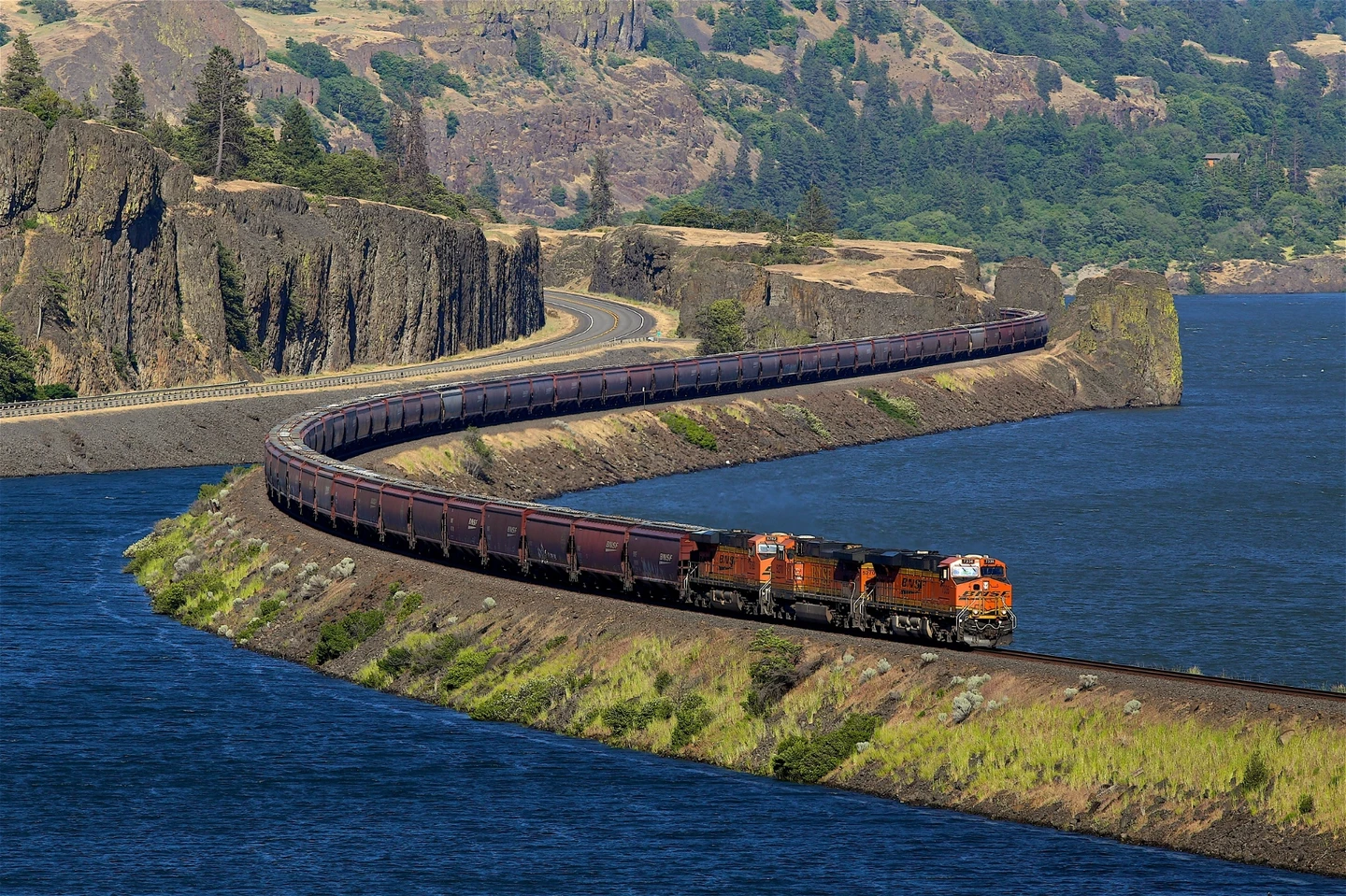
2025 BNSF Sustainability Award winners
Award recipients are recognized for significant achievement in one of several categories, including investments in circular economy infrastructure, supply chain efficiencies, sustainable technology implementation and additional rail in supply chain.
- ADM
- ABF Freight®, an ArcBest® company
- AG Processing Inc
- Albina Asphalt
- American Alloy Steel
- Amrize
- Big River Steel
- C.H. Robinson
- CF Industries
- COSCO SHIPPING Lines
- Darling Ingredients
- Eco Material Technologies
- Eco-Energy
- Estes Express Lines
- Harvestone
- Helm U.S. Corporation
- Hybar LLC
- INEOS US CHEMICALS CO
- James Hardie Building Products Inc.
- Kimberly-Clark
- Kiva United Energy
- Occidental Chemical Corporation
- OOCL (USA) INC
- Phillips 66
- POET
- Ravago
- Rust-Oleum
- The Greenbrier Companies
- Tractor Supply Company
- United Sugar Producers and Refiners
- Veolia North America
- Yang Ming Marine Transport Corp.
Sustainable growth across the network
Reduce environmental impact, improve efficiency and support responsible growth through rail-served infrastructure and logistics solutions.
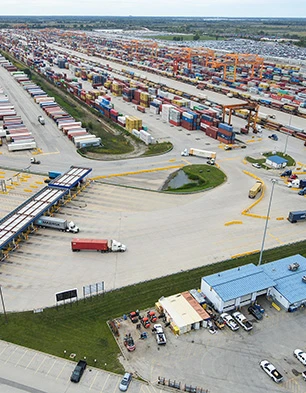
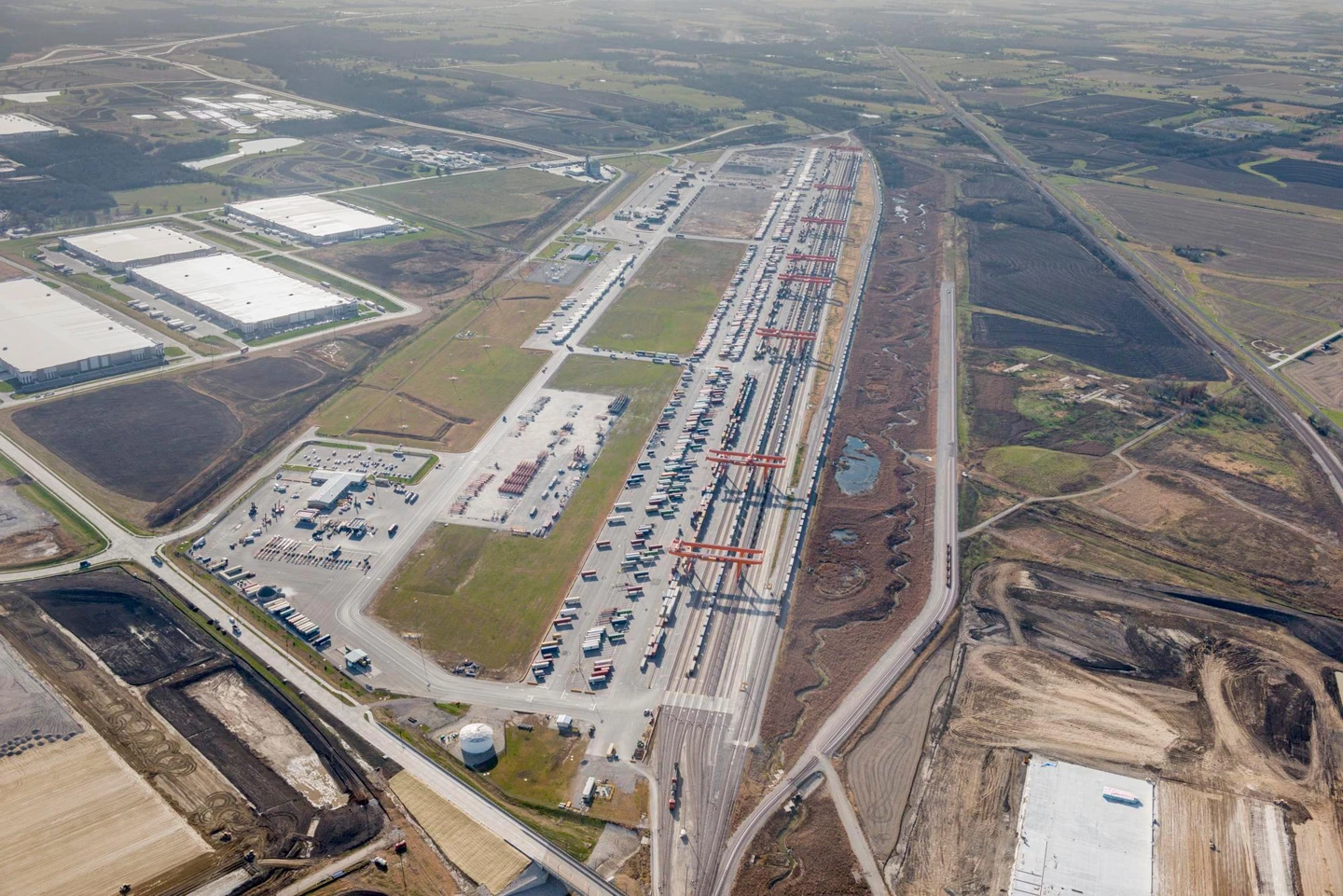
Logistics Parks
Scale operations in rail-served environments designed to improve supply chain efficiency and help reduce emissions.
Benefits include:
Locations near major intermodal hubs that help reduce truck miles
Direct connections to the BNSF network
More efficient logistics operations
Reduced fuel consumption and carbon emissions
Logistics Centers
Build and operate in rail-served locations that support faster development and long-term sustainability goals.
Benefits include:
Shovel-ready sites with built-in rail infrastructure
Faster development timelines
Direct rail access to key markets
Infrastructure designed to support efficient, lower-emission transportation
Certified Sites
Develop with confidence using sites evaluated for readiness, accessibility and long-term growth potential.
Benefits include:
Verified through a rigorous certification process
Located in strategic rail-served markets
Efficient access to the rail network
Opportunities to reduce transportation-related emissions