BNSF hazmat safety: Protecting communities by protecting freight
By MIKE PAGEL & SUSAN GREEN
Staff Writers
Every day, railroads, including BNSF, move large quantities of hazardous materials (hazmat), like fertilizer, ethanol, crude oil, refined petroleum and chlorine. Over the years, we’ve invested significant resources to ensure that these commodities move safely.
Thanks to these efforts, rail is the safest way to move hazmat; at BNSF more than 99.99% of hazmat reaches destination safely. And the industry’s hazmat incident rate is at its lowest ever and down 80% since 2005, according to the Association of American Railroads.
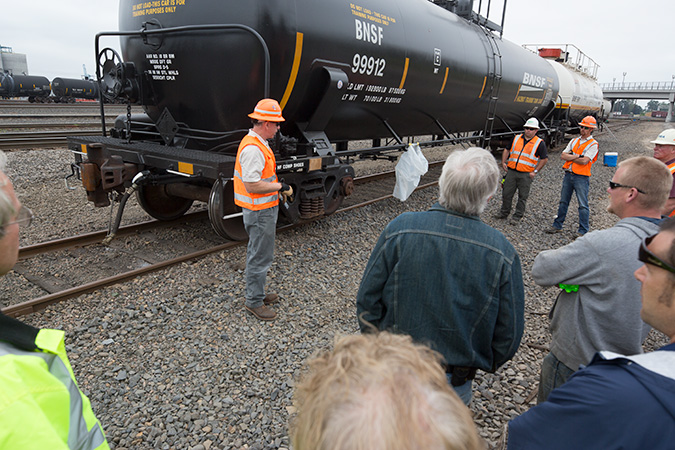
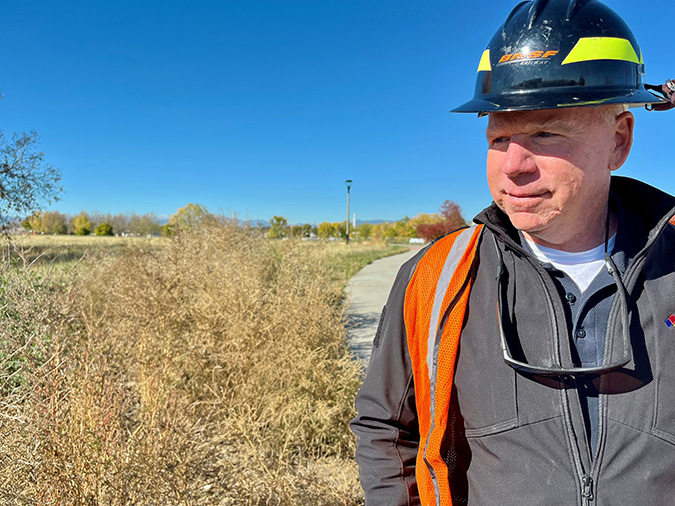
Even with this impressive rate, BNSF continues to focus on preparedness. One who ensures that our employees, communities and first responders are prepared for a potential emergency has been Pat Brady, general director, hazardous materials safety, who is retiring after 35 years.
Brady has overseen the safe transportation of hazardous materials throughout our network. This includes preparing for and responding to hazmat emergencies and spill events, along with ensuring compliance with Department of Transportation hazmat regulations. His team also responds to wildfire events that may affect BNSF. Their work helps protect our employees, communities, and the environment.
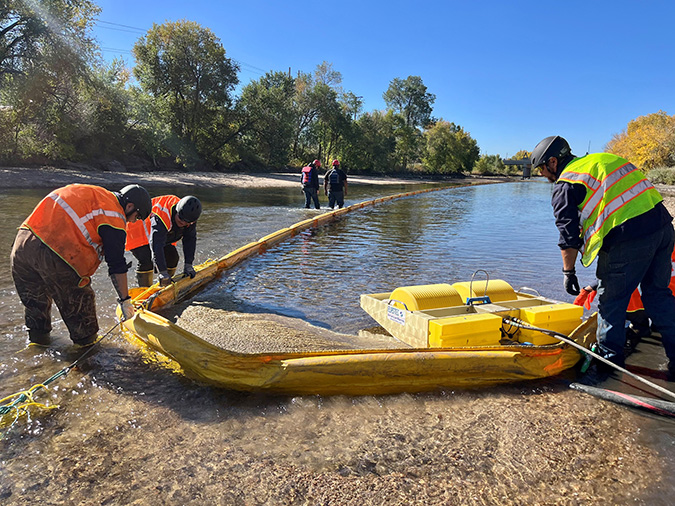
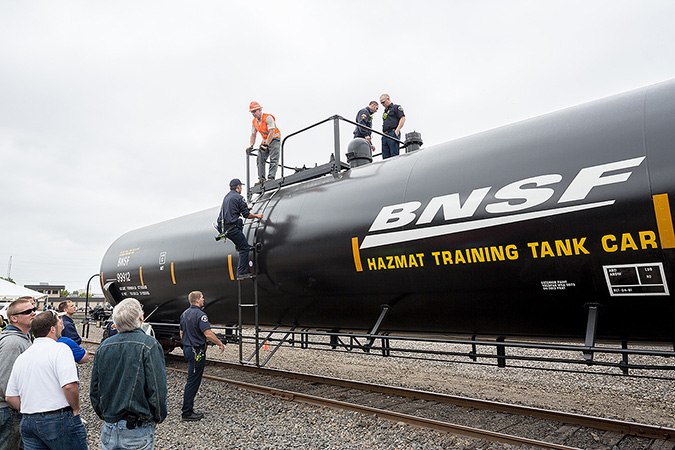
In his time with BNSF, Brady has helped train more than 160,000 first responders at hundreds of training classes throughout our network. First responders training sometimes includes simulating a scenario, like a large-scale hazmat release, and demonstrating techniques to manage it.
Brady has been a leader in the hazmat community and influential in regulatory legislation. He has served on numerous committees and is recognized throughout the rail industry as a subject matter expert in hazardous materials.
Thanks to Brady’s and others’ contributions, BNSF has won the TRANSCAER® (Transportation Community Awareness Emergency Response) National Achievement Award 25 times since 1998. The award is in recognition of extraordinary achievement by an individual person, company, organization or team in support of TRANSCAER initiatives.
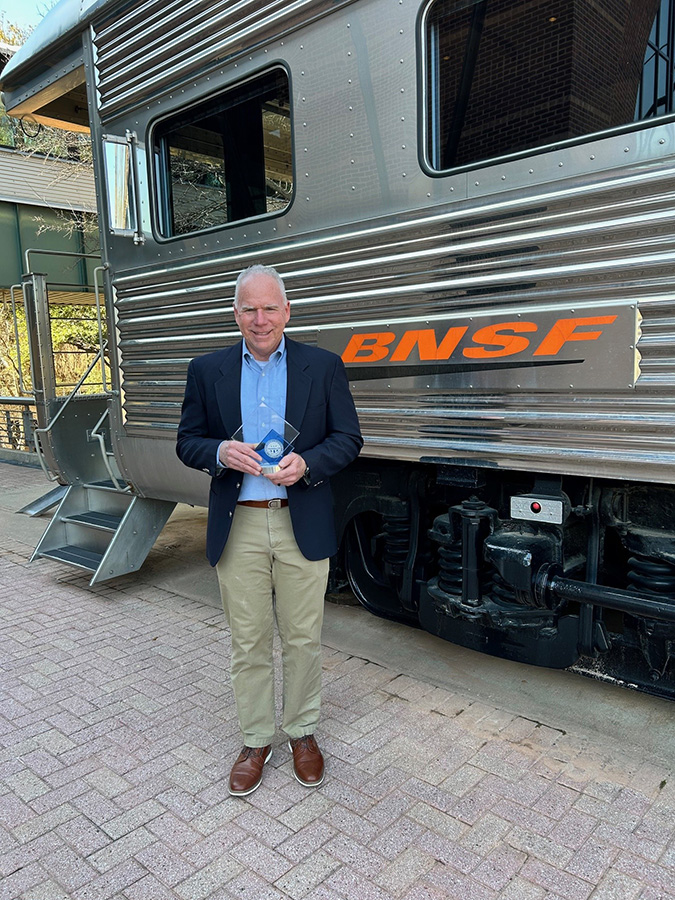
Approaching retirement, Brady reflected on his role and what’s made it so rewarding.
“I like solving problems safely and effectively,” he said. “Appropriate responses to hazmat incidents require a well-coordinated effort across many BNSF departments and outside entities. It’s something that we never want to see, but when it does, we pride ourselves on being prepared. It’s incredibly rewarding to enter a chaotic situation, establish an incident command team, mitigate the incident and restore service without injury or harm to the community.”
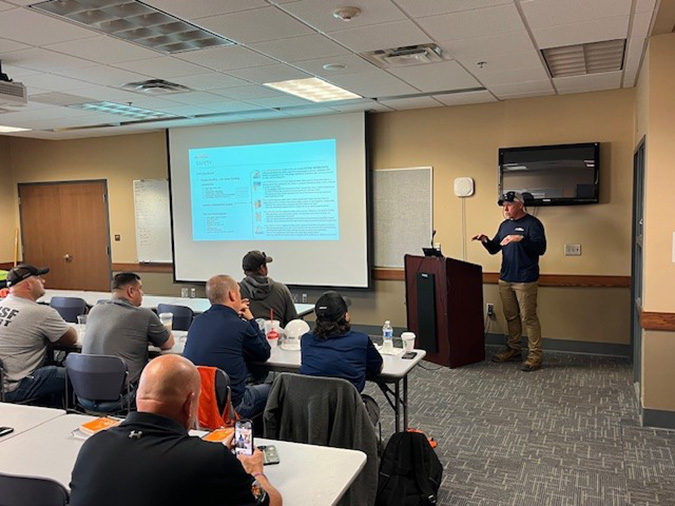
In the last three decades, Brady has witnessed safety improving dramatically—both in employee safety and in reducing derailment incidents.
“Today, our derailment rate is much lower, thanks to BNSF’s unwavering commitment to safety and implementation of technologies and processes that have made our entire railroad safer and more reliable,” he said. “In addition, we’ve experienced tremendous benefit from deeper levels of communication, engagement and transparency with communities. The relationships we build and the proactive training we provide have been tremendously valuable in those rare incidents.”
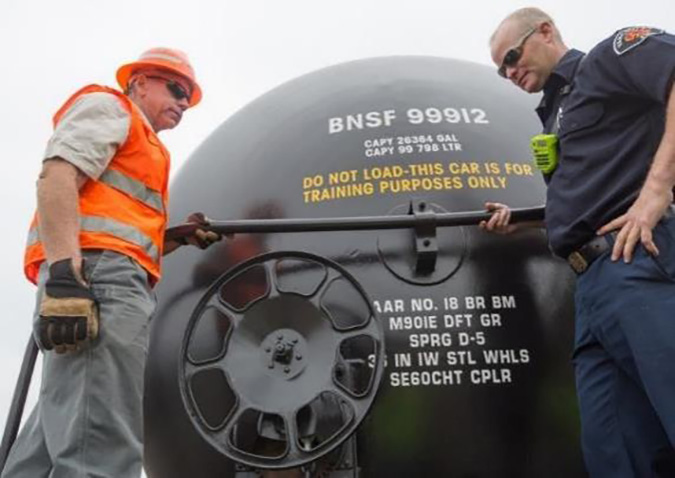
In his modest fashion, Brady credits his entire hazardous materials team.
“Everything I’ve accomplished at BNSF has been the result of strong teams and leaders who empowered us to do important and impactful work,” he said. “Our team’s mission is to lead the industry in exceptional incident response, proactive planning and hazmat regulatory compliance — and I believe, along with our stakeholders, that we’ve achieved that mission.”