
Tulsa, Oklahoma: How BNSF predecessor railroads fueled the city’s growth and oil boom
By ANDREW UTTERBACK | Staff Writer
Nov 20, 2026
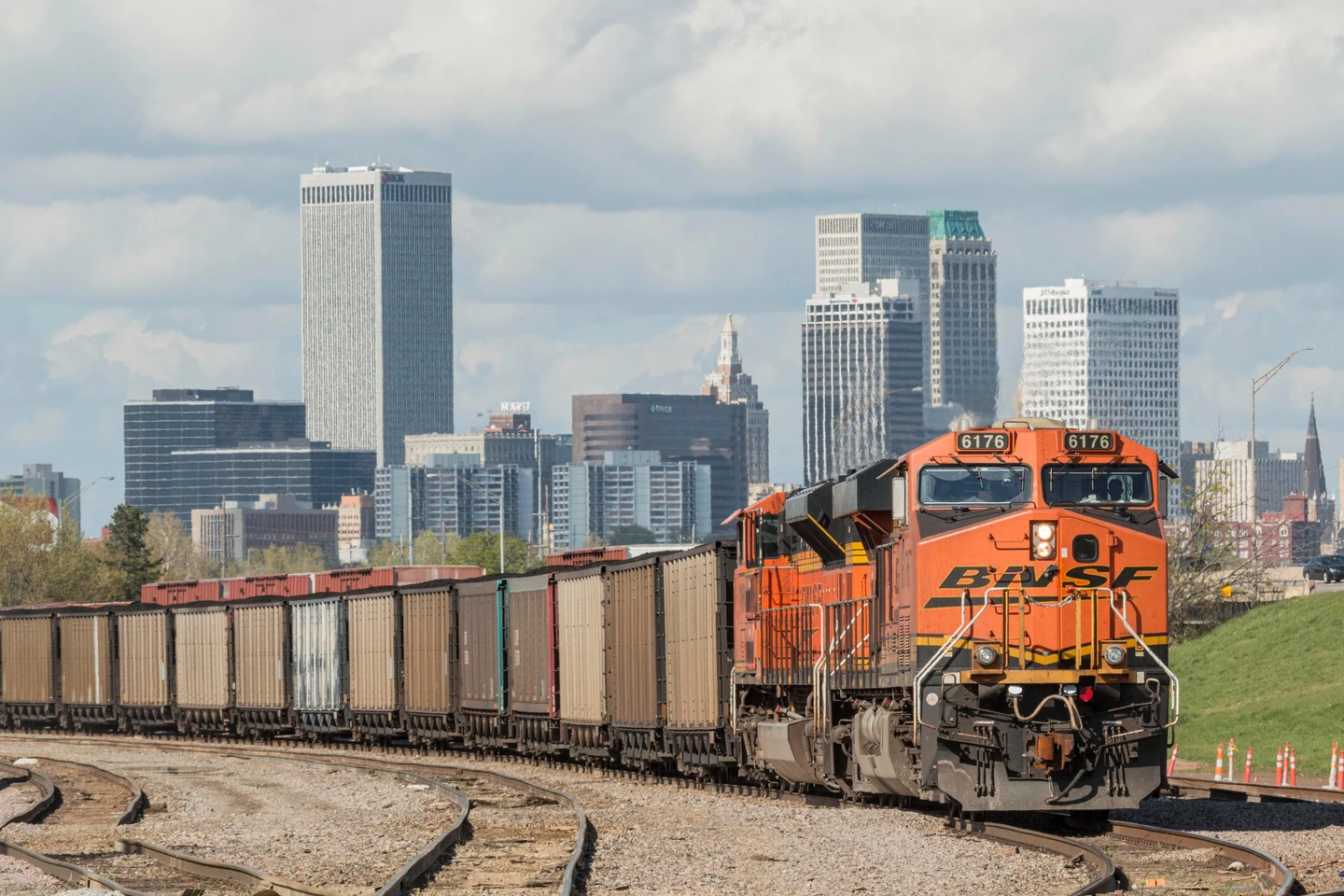
Tulsa, Oklahoma, is known for its arts, rich history and strong ties to the oil and railroad industries. An economic hub of Oklahoma and the South, Tulsa’s culture makes it more than just a “business-first” city.
Before Tulsa’s skyline was fully formed and the city became the railroad-driven oil hub of the 1900s, it was a village inhabited by the Muscogee people. First settled by them in the 1830s, its original name was “Tulasi,” which means “old town."
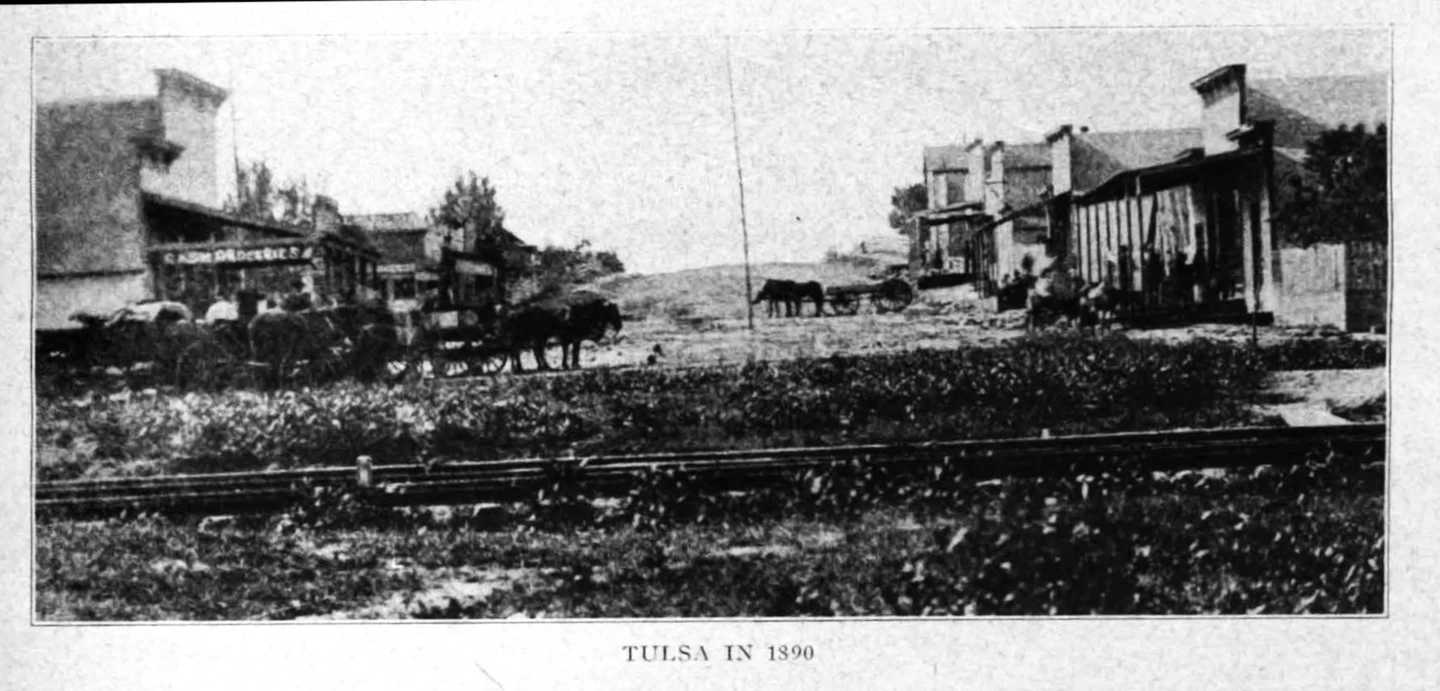
In 1882, the St. Louis - San Francisco Railway (the Frisco), a BNSF predecessor, reached this small settlement in northeast Oklahoma. With the railroad came stores, hotels and businesses catering to railroad workers and travelers.
In 1901, oil was discovered just west of Tulsa in Red Fork, Oklahoma. Oil exploration requires large amounts of equipment, construction materials and workers. Thanks to the recently built railroad infrastructure, Tulsa’s oil-driven development began.
The boom led to Tulsa being named “Oil Capital of the World,” a title that would have been unlikely had it not been for the town’s adoption of the railroad, which also brought people. At the time, Tulsa was home to about 1,400. By 1907, it grew to around 7,300; three years later, it more than doubled to 18,000.
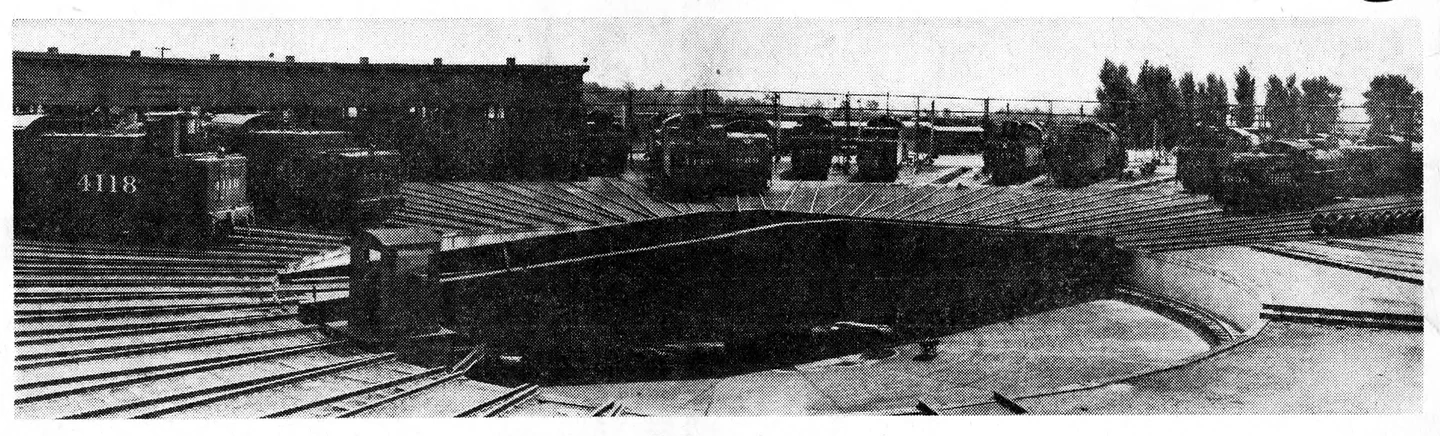
Tulsa’s oil discovery also meant that it became home to more than just one railroad. By 1905, four more, including BNSF predecessor the Atchison, Topeka and Santa Fe (ATSF or Santa Fe), connected there.
As more people and commerce came, infrastructure followed, including depots, stations, bridges, crossings and miles of track. To give rail passengers accommodations, in 1912, the Hotel Tulsa opened and became a 10-story luxury destination for travelers.
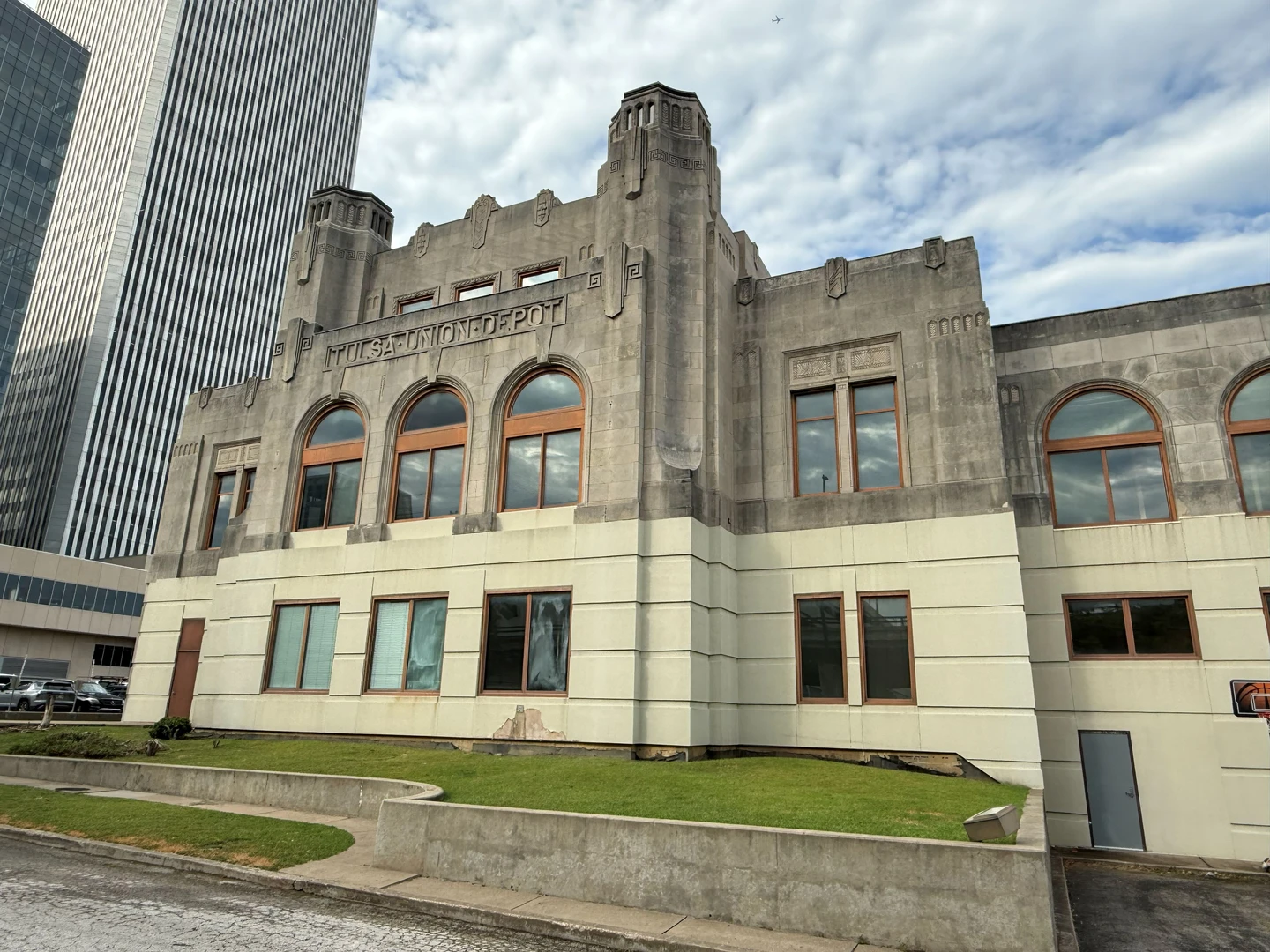
In 1931, the Tulsa Union Depot, a monument of the city’s success and growth, was built. The $3.5 million hub for Frisco and Santa Fe passenger trains remains a symbol of the city’s growth and the role the railroad played in it.
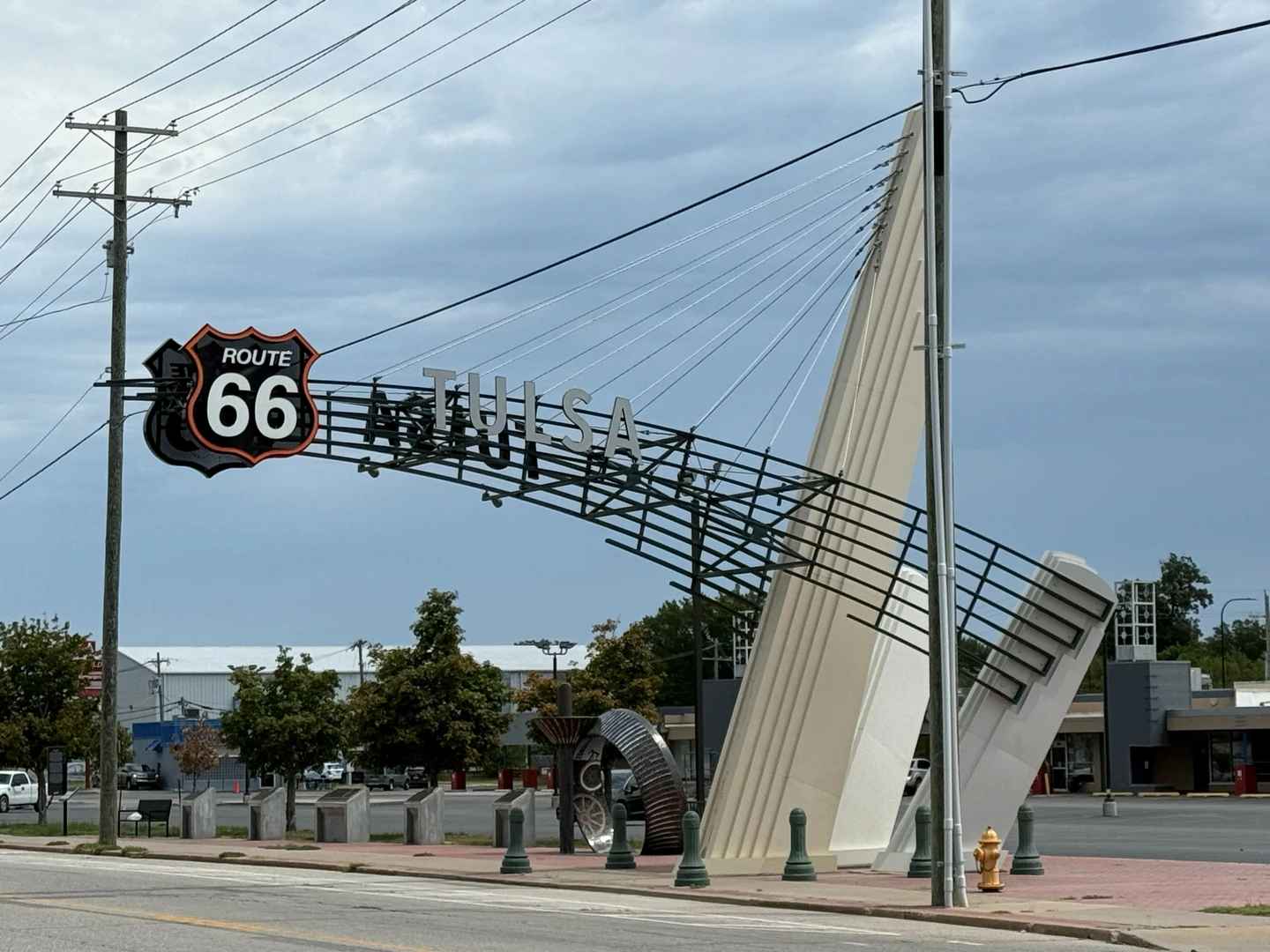
Tulsa thrived as an oil hub through the latter end of the 1900s, but as Route 66 developed, the town shifted from a railroad town to one that benefited greatly from automotive traffic.
The ionic American highway, which celebrates its 100th anniversary in 2026, spanned 2,000-plus miles and closely followed some of the rail lines through Tulsa. Route 66 brought visitors who would shop, eat and stay in this conveniently situated town, thanks to Cyrus Avery. The “Father of Route 66” and a Tulsa native, Avery designed the highway to run through his city.
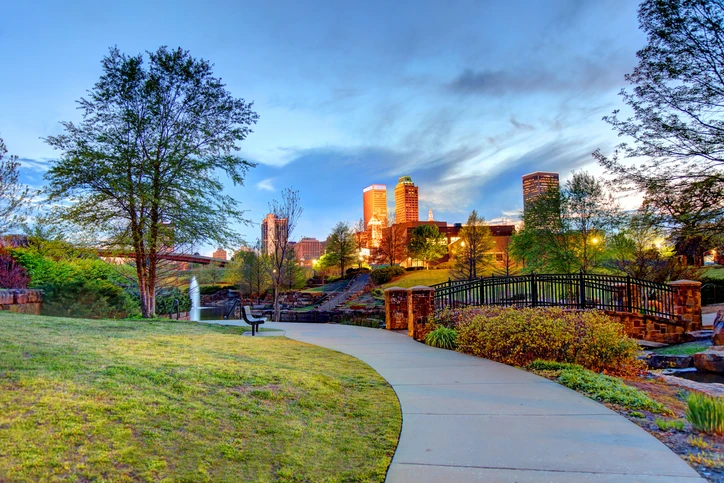
Modern-day Tulsa would make the early developers proud, boasting a population of around 416,000, making it the 48th most populous city in the country. The greater Tulsa metropolitan area is home to a little over 1 million residents who enjoy more than 20 museums and art galleries, plenty of dining options, a thriving live music scene and many top-tier public parks.
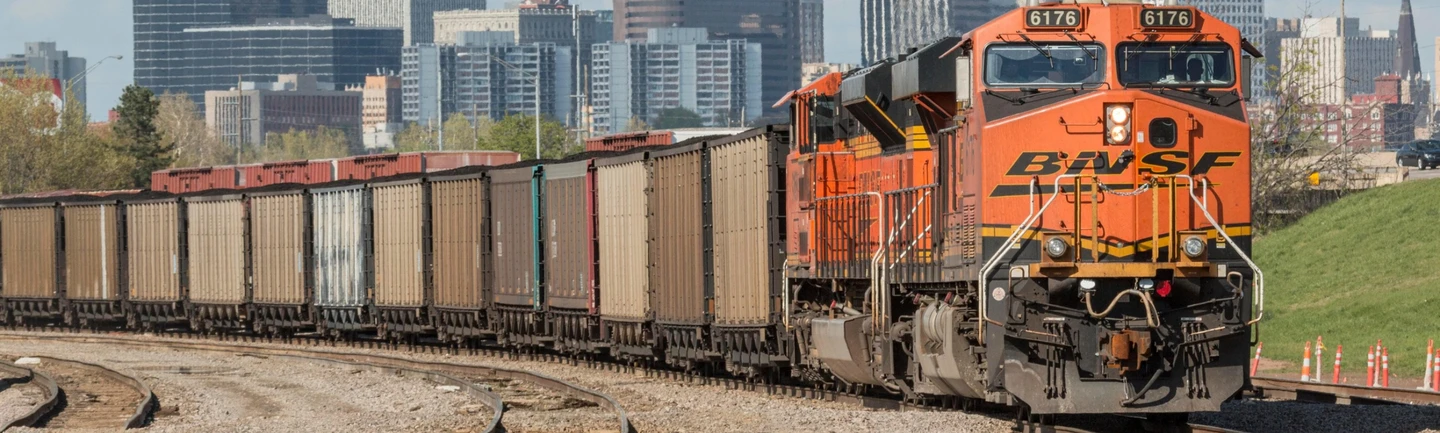
While BNSF no longer transports people to and from Tulsa, we still move freight. Our nearby Cherokee Yard, where three of our subdivisions converge, provides merchandise freight car classification (sorting) for much of the rail traffic bound to and from the Southwest.
Terminal Superintendent Carter Tuggle said what makes the Tulsa yard unique is its directional hump operation.
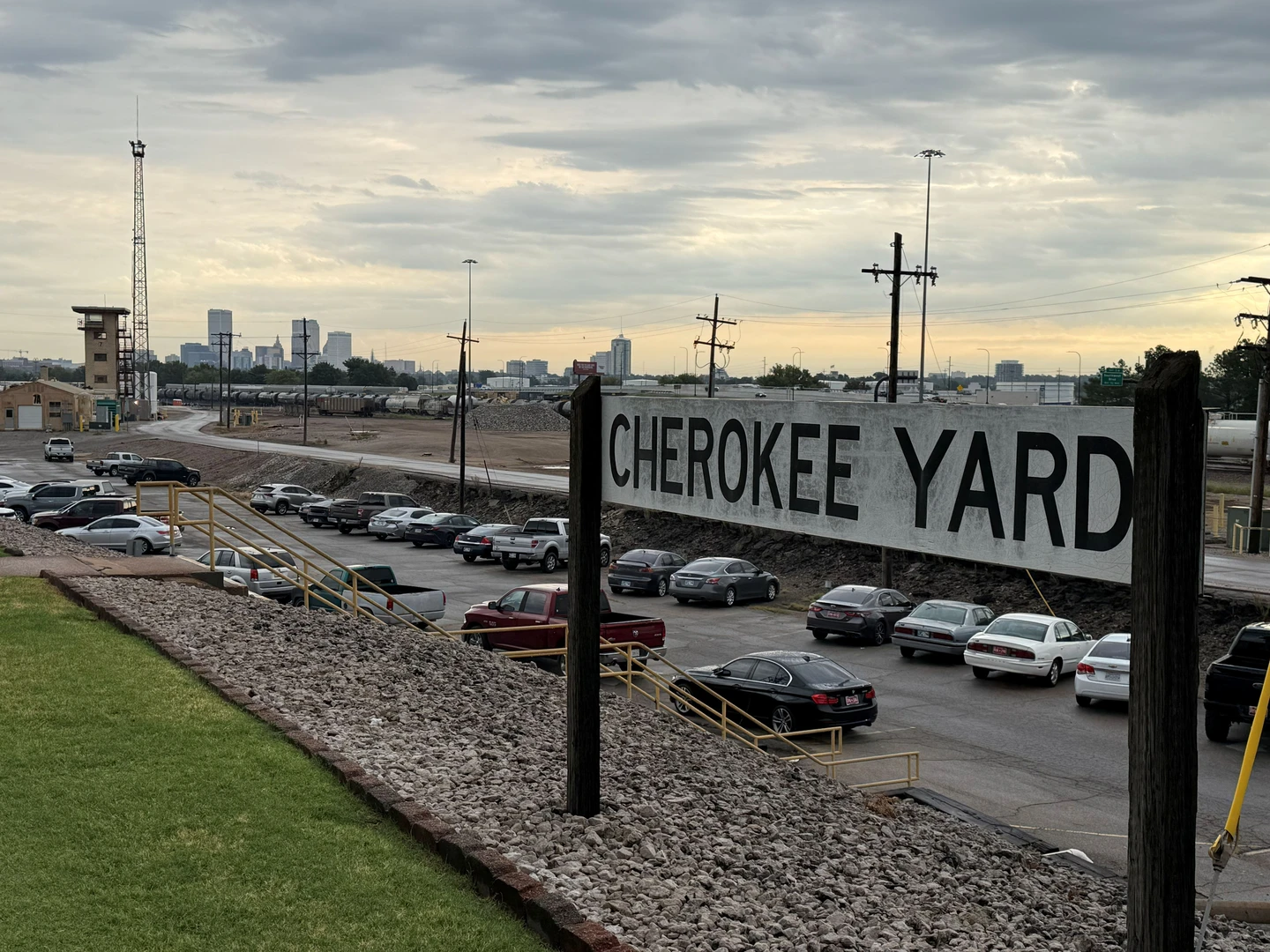
“Unlike most hump yards that utilize fixed bowl assignments, Cherokee Yard turns its bowl direction twice daily to support both eastbound and westbound traffic,” he said. “Limited bowl capacity requires the terminal to continually reconfigure tracks and balance inventory, making the operation more complex than a traditional hump yard.”
Organizing this operation is no easy feat.
“This process requires extensive planning by our operating teams to ensure that traffic is classified, stacked and trimmed (pulling sorted cars from the bowl to couple them into proper sequence) for outbound trains,” he added. “This directional humping strategy allows the yard to maximize capacity despite physical limitations.”
The yard’s daily goal is to hump 1,600 cars, trim 1,500 and depart 1,500. This work requires about 250 train service employees. Another 100 employees service locomotives, repair freight cars and maintain signal, structures and track.
Tulsa’s oil success, tourism and economic prosperity were boosted by the railroad. The 1,400 residents who lived there just 120 years ago would be amazed to see how it’s evolved from a small settlement into an arts, cultural and historical hub, one with which BNSF has a long history.