
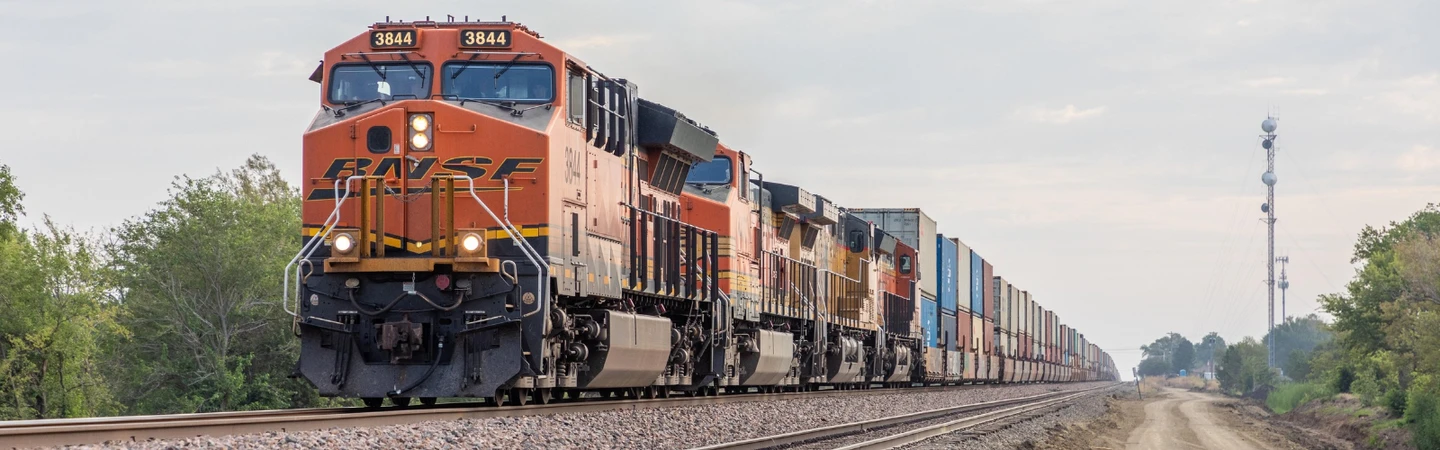
Workin’ by the railroad? There’s a right way to approach the right-of-way
By Susan Green | Staff Writer
Nov 4, 2026
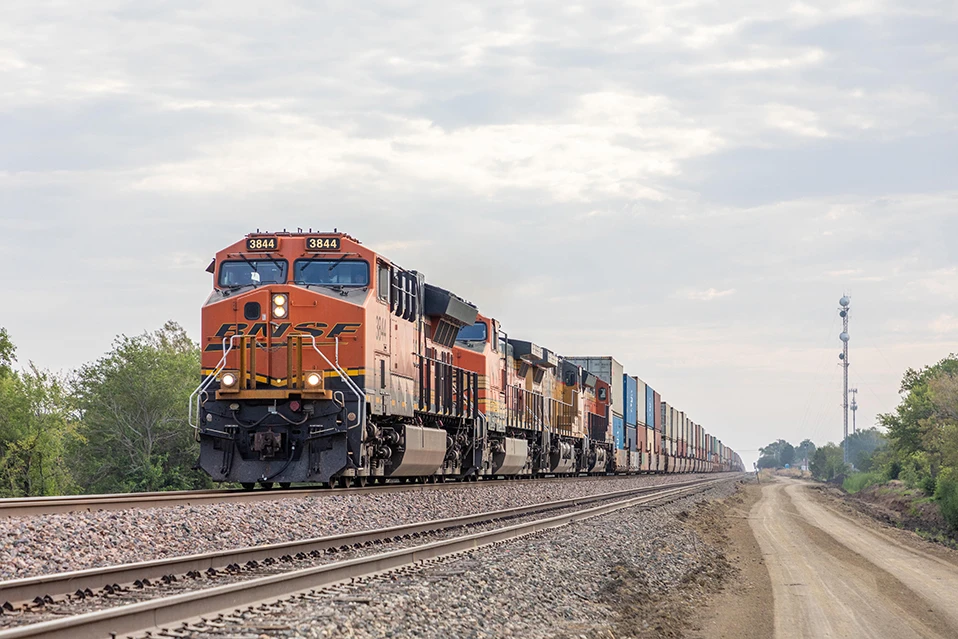
When it comes to working on or near BNSF’s rights-of-way, there’s only one right (and safe) way to do it: apply for a permit.
Just as local governments require companies to file for a permit before accessing right-of-way property, so does BNSF. Most frequently these include utility installations for electrical lines and pipelines, telecom, as well as temporary occupancy permits for surveying, parking, etc. Permits are also required for environmental access and private crossings.
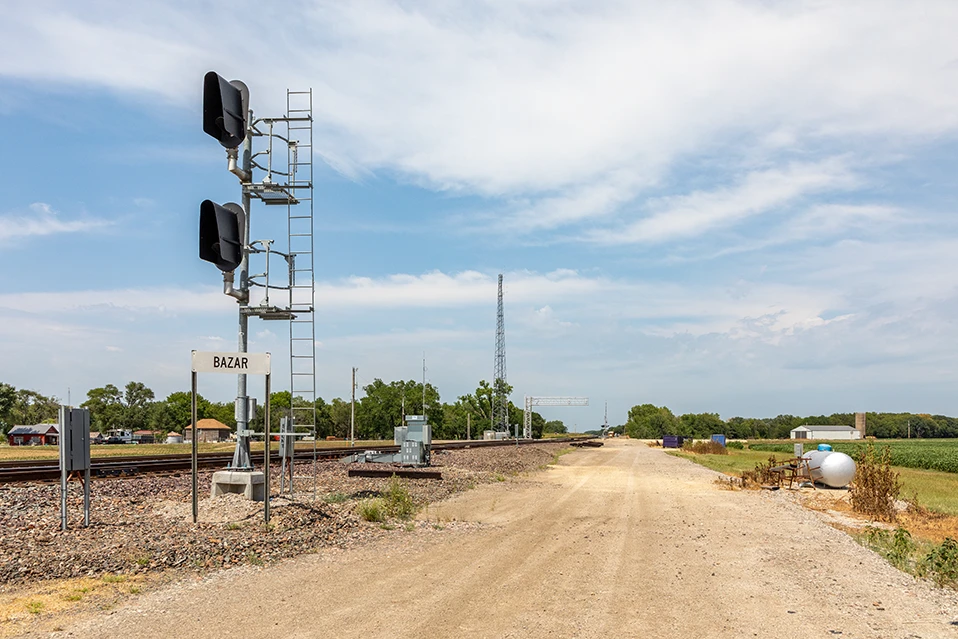
Right-of-way (ROW) refers to land owned, leased or controlled by a railroad that contains the tracks and necessary infrastructure, including signals, communication cables and drainage. ROW widths range from 200 to 400 feet, sometimes narrower and sometimes wider, depending on geography and the number of tracks.
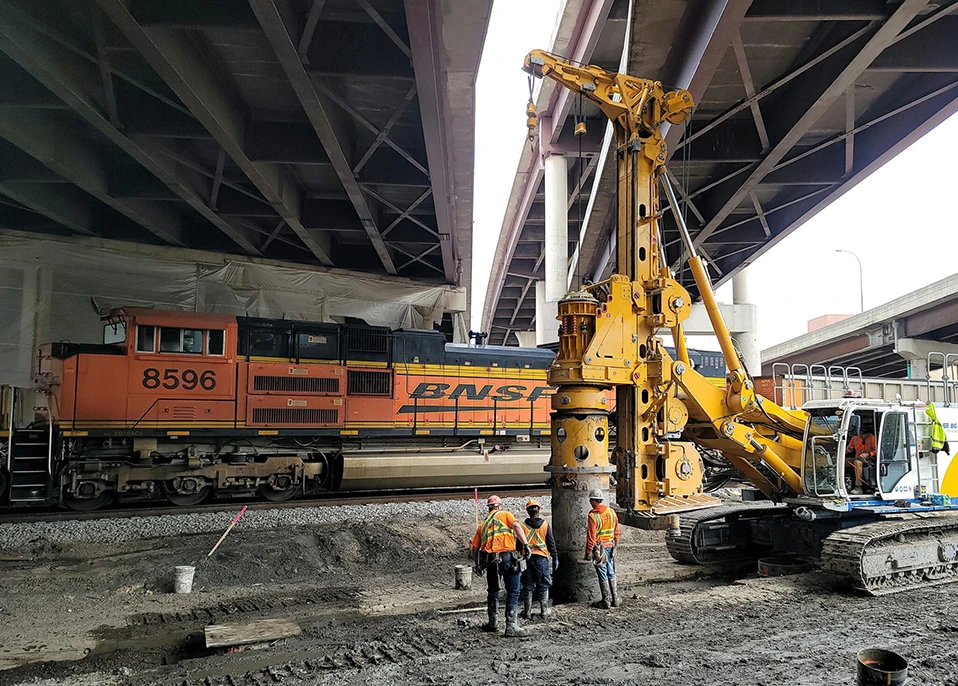
Railroad property is private property. A permit must be obtained before installing any utility across, under or over railroad tracks and railroad rights-of-way. The process of getting permits is important because unauthorized access can create serious safety risks for workers, the railroad and the communities through which we operate.
“Unauthorized entry onto railroad property has caused preventable tragedies,” said French Thompson, assistant vice president, structures & public investment for BNSF. “Construction on or near our rights-of-way requires careful planning and following strict safety protocols.”
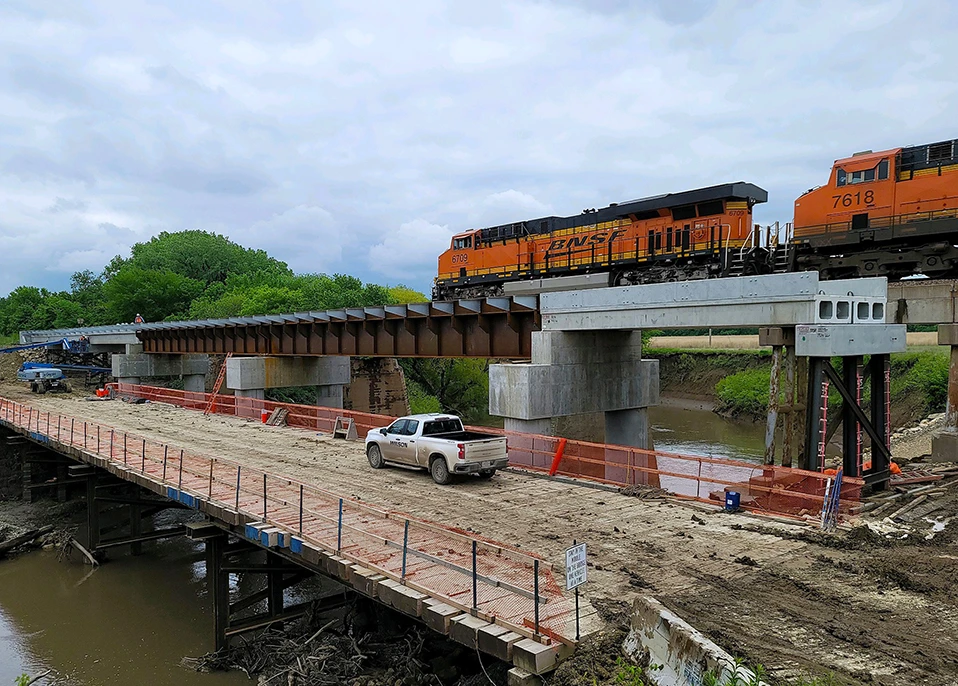
Last year, some 2,500 permits were issued by BNSF, and this year, we’re on track to issue 3,000. Each application requires an engineering plan as well as proof of insurance, among other elements. Applicants should expect the process to take from six to eight weeks.
The first step is to begin the online application process here.
Next, once an application has been submitted, there is a review of the technical aspects of the proposed installation. If approved, our permits team manages the application through to the completion of the process, including collecting a fee that is generally required. The project can then be scheduled for flagging and observation services.
“This level of detail is important as we have to ensure that the work being performed doesn’t interfere with our train operations,” said Thompson. “Poorly planned installations can interfere with our signals and communications, including positive train control, potentially leading to an incident that could have been prevented.”
Unauthorized utility access also could cause a sinking or carving of the track substructure, known as subsidence. If the substructure is jeopardized, so is the entire track.
According to the Association of American Railroads, only 30 percent of applications for railroad right-of-way access include the information needed for safe installation. To understand the BNSF process and to ensure that your project can be safely and completely realized, see the links below for more information:
- BNSF Utility Accommodation Policy: https://www.bnsf.com/bnsf-resources/pdf/about-bnsf/utility.pdf
- Permit Application Portal: https://bnsf.railpermitting.com
- Permits/Real Estate FAQs: https://bnsf.com/about-bnsf/faqs.page
- JLL Territory: https://www.bnsf.com/in-the-community/jll-contacts.html